
Asbestos — myths
and reality
There is no need to fear the asbestos-cement (“slate”) roofing sheets on your roof, but they must be handled wisely. Asbestos does harm mainly when its fibres get into the air and are inhaled.[1] And that can be prevented.
of asbestos-containing slate is still on the roofs of buildings.[2]
Asbestos in one minute
- What it is. Asbestos is a fibrous mineral that used to be widely used in building materials. Around 1 million tonnes of asbestos-containing slate is still on the roofs of Latvian buildings.[2]
- Why it is dangerous. All types of asbestos cause cancer: mesothelioma and cancer of the lung, larynx and ovary, as well as scarring of the lungs (asbestosis).[3] The diseases appear only decades later.[4]
- When it is dangerous. Undisturbed slate does no harm. The danger is the dust produced when it is broken, sawn or crushed.[1]
- What to do. Do not break the sheets, wear disposable overalls, gloves and a P3 respirator, and take the slate to a landfill.[5] Step by step →
- If you have already been exposed. Do not panic: tell your GP and protect yourself from now on. What to do after exposure →
Topics
Everything about asbestos, from the basics to practical steps.
 01
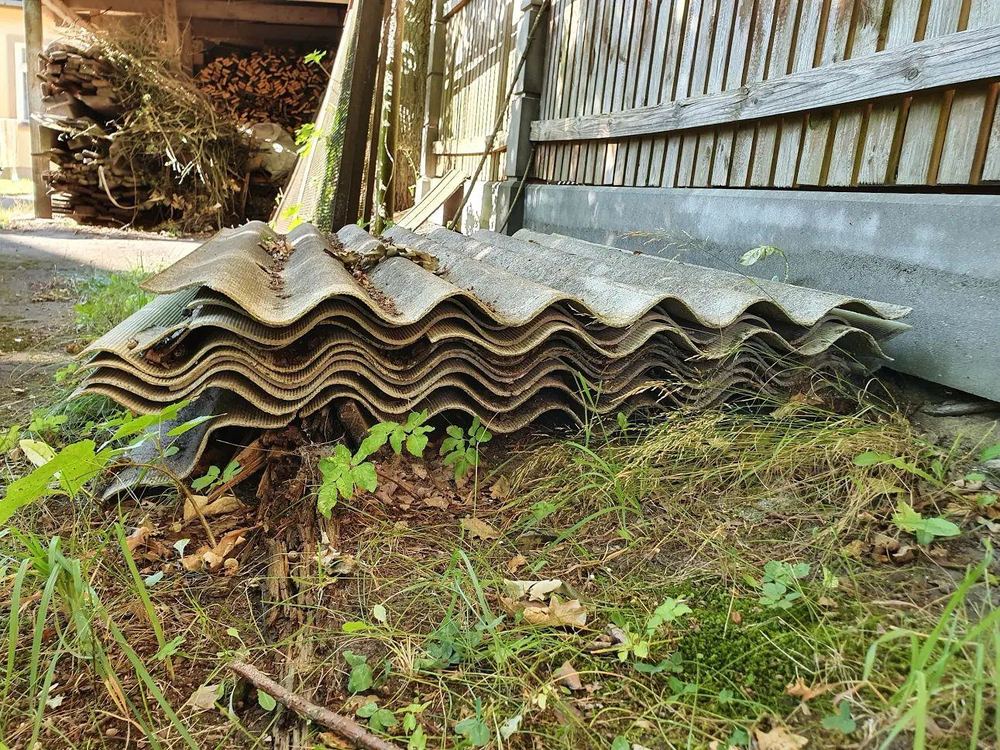
Slate roofs at home
Is your roof dangerous, how to remove it safely, where to dispose of it and what state support is available.
Read more →
 02
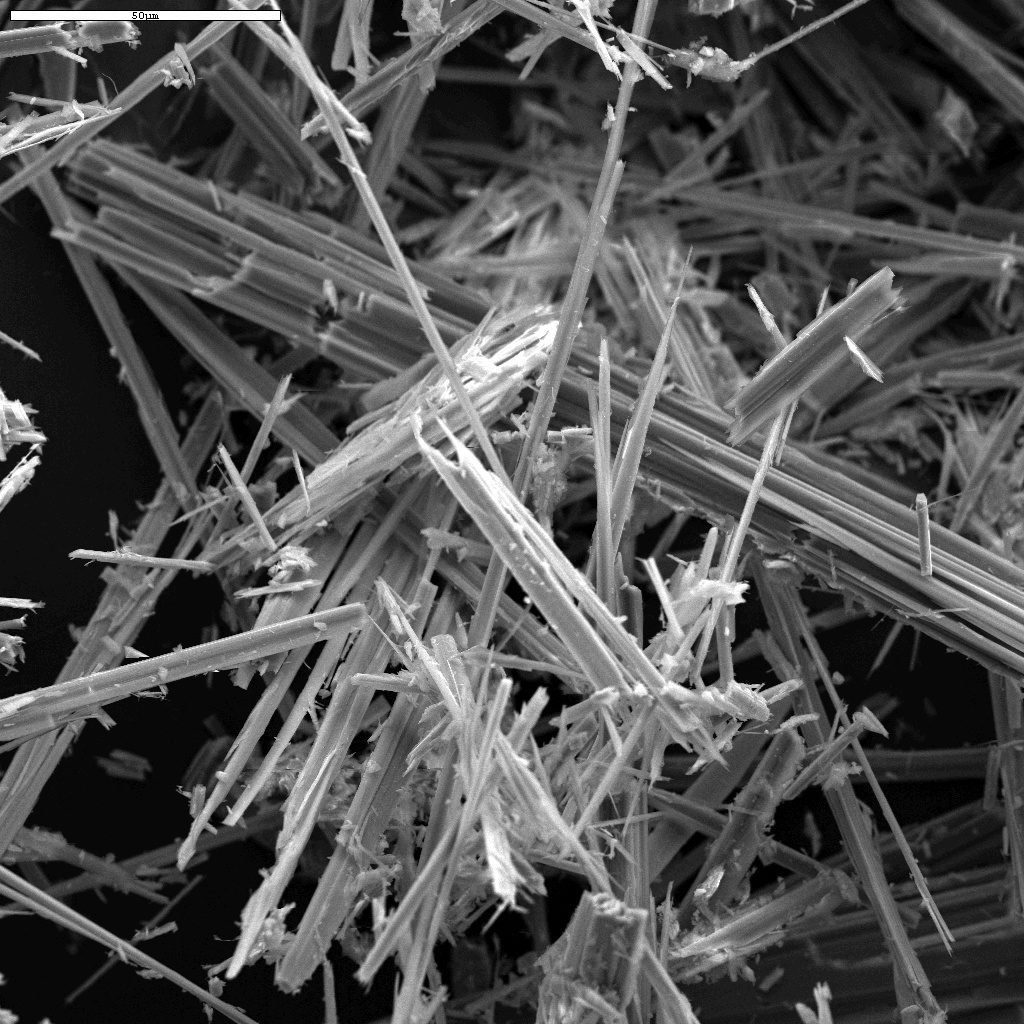
What is asbestos
Types of asbestos, why its fibres are dangerous and where asbestos-containing materials hide in a house.
Read more →
 03
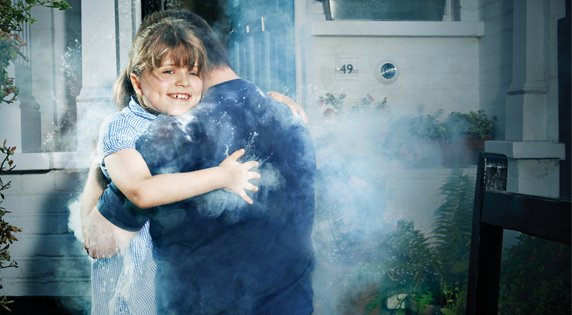
Health
Asbestosis, mesothelioma, and cancer of the lung, larynx and ovary. What to do after exposure.
Read more →
 04
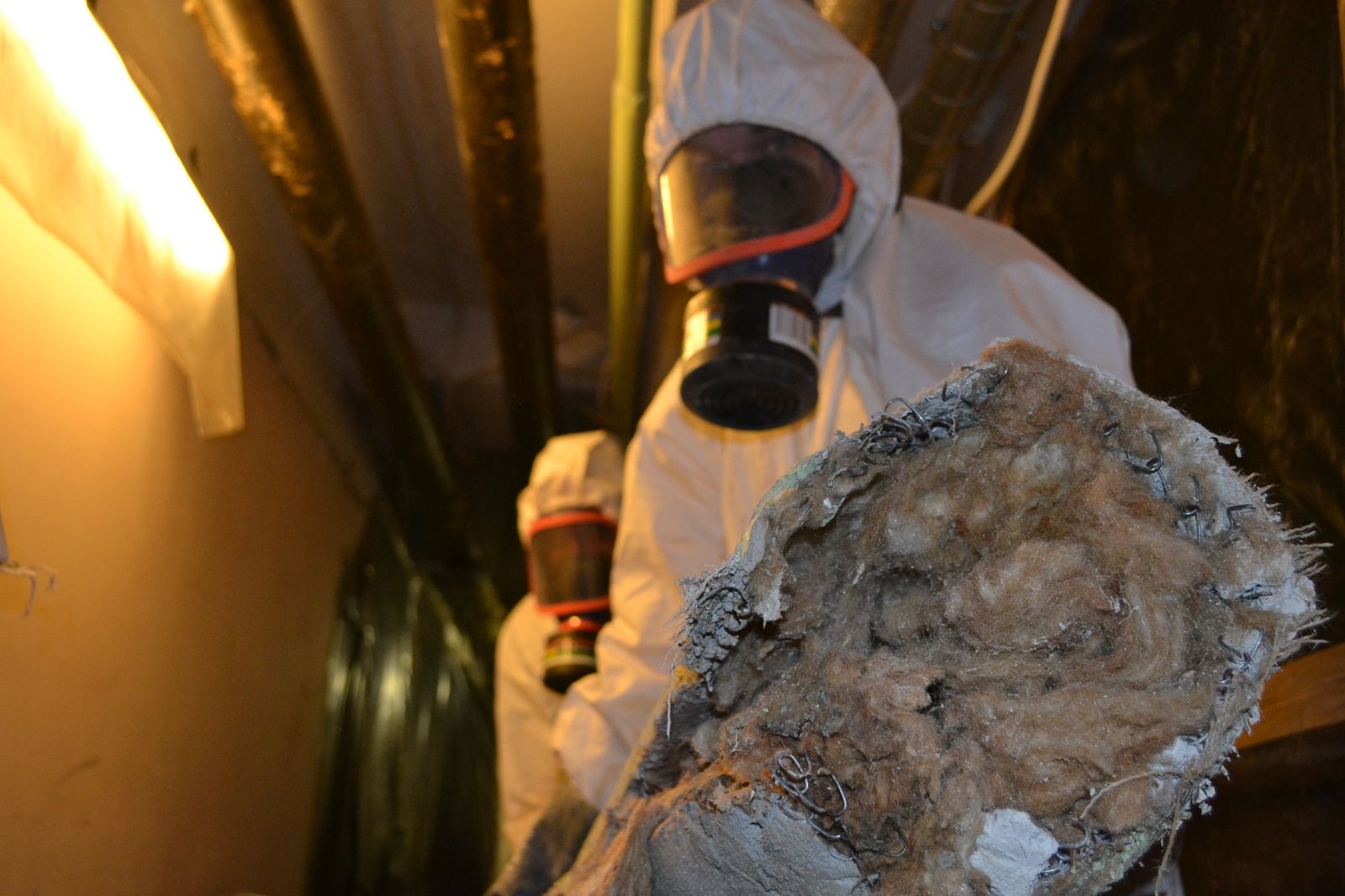
Safety at work
The occupational exposure limit of 0.01 fibres/cm³ in force since 21 December 2025, employers’ duties and the legislation.
Read more →
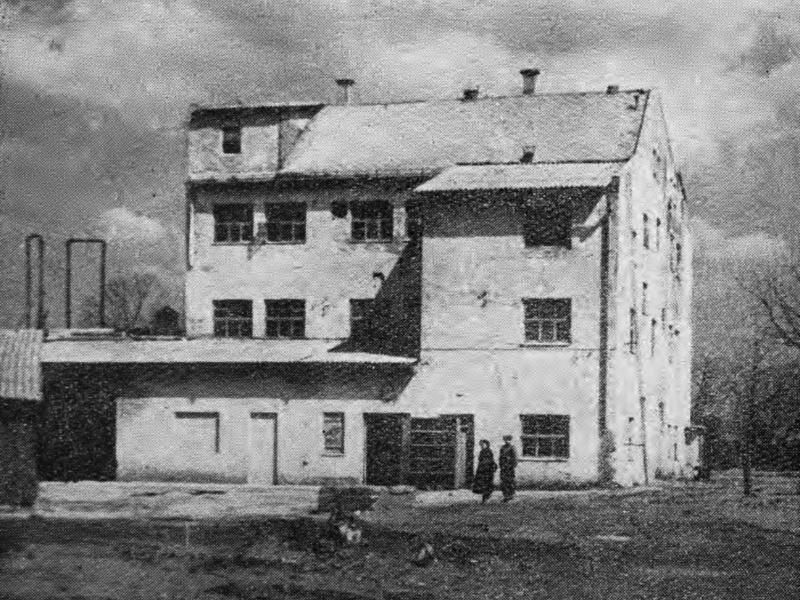 05
History
From Eternit to the ban: slate production in Riga and Brocēni since 1935.
Read more →
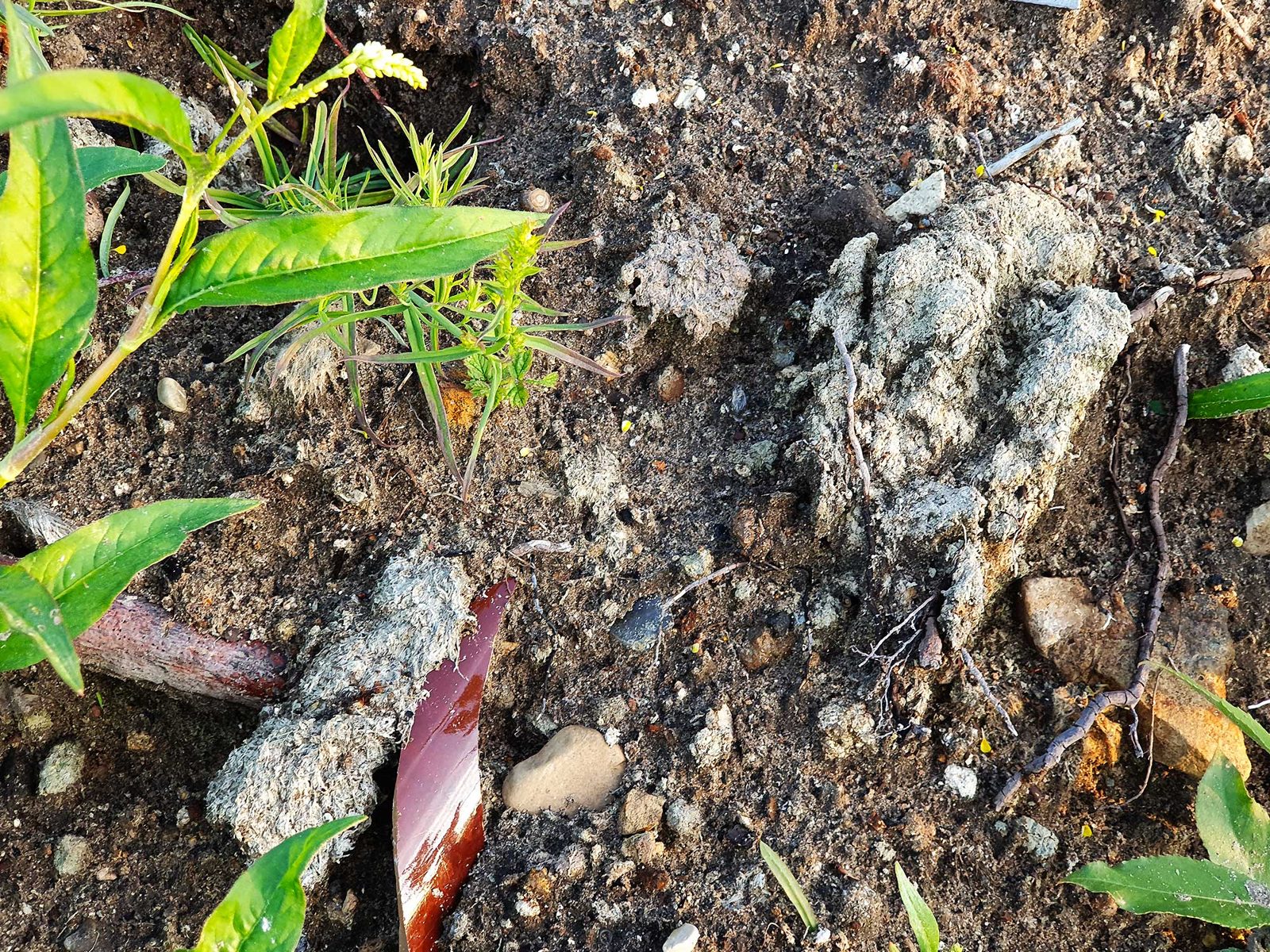 06
Pollution and reporting
Found dumped slate? How to report it to the VVD and who is responsible for the clean-up.
Read more →
Disposing of slate can be free of charge
The Ministry of Climate and Energy’s Asbestos Support Programme covers packing, transport and delivery to a landfill: from 0.2 to 3 tonnes (roughly 10–150 sheets) per household. The programme runs in rounds for specific target groups: in 2024 needy and low-income households and Latvian Honorary Families, in 2025 and 2026 Latvian Honorary Families. Applications for 2026 closed on 17 July; the same funding (€300,000) is planned for 2027.[5][6][7][2]
We cannot afford to lose almost 15,000 lives a year in Europe to diseases caused by exposure to asbestos.
Dr Zsuzsanna Jakab, WHO Regional Director for Europe, 30 April 2015 (WHO European Region, 53 countries).[8] In 2021 the European Parliament estimated that asbestos causes 30,000–90,000 deaths a year in the EU.[9]
In the background: the Brocēni cement and slate plant, historical photo
Myths and facts
What people think about asbestos, and what is actually true.
MythA slate roof on a house is dangerous in itself.
FactIntact, undisturbed slate poses no significant risk. It becomes dangerous when it is broken, sawn or drilled, or when it starts to crumble.[1]
MythBurying slate in the ground solves the problem.
FactIt is prohibited: individuals face a fine of €70–700 and legal entities €280–1,400. Buried slate wears down and crumbles over time, and asbestos can get into the soil, water and air.[1][10]
MythAn ordinary dust mask is enough.
FactIt is not. You need a respirator with a P3 filter, disposable overalls and gloves, and the slate must not be broken.[5]
MythIf I didn’t fall ill after removing slate, everything is fine.
FactAsbestos-related diseases usually have a latency period of 10–40 years. The fact that “nothing happened” proves nothing.[11][4]
MythAsbestos only endangers builders.
FactIn Latvia, a third of mesothelioma patients were exposed to asbestos at home or in everyday life, not at work.[12]
Materials
All materials and videos →These materials were published in 2014–2015; the exposure limit of 0.1 fibres/cm³ they mention is no longer in force (0.01 since 21 December 2025).
Do you know?
10 questions about asbestos and slate. Answers and explanations straight away.
Take the quiz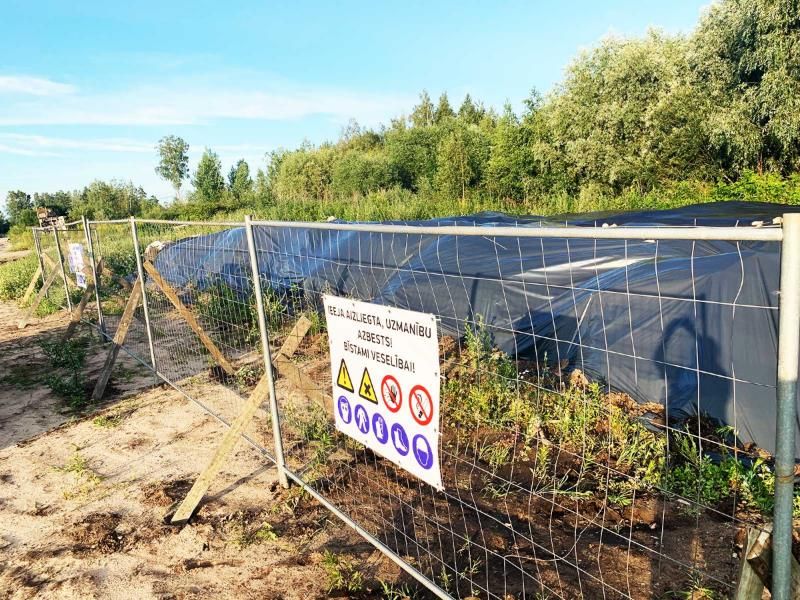
Spotted dumped slate?
Take a photo and report it to the State Environmental Service (VVD) in the “Vides SOS” app or by phone on +371 26338800.[13]
How to reportFor specialists
- Exposure limits 2025–2029, VDI notification and permit
- Classification (IARC, CLP H350/H372), latency, the situation in Latvia
- Cabinet Regulation No. 852Labour protection requirements for work with asbestos (as amended on 9 Dec 2025) (in Latvian).
- Directive 2009/148/ECAs amended by Directive (EU) 2023/2668.
Sources
- LSM: Kur likt veco šīferi? Saimnieki cer uz valsts atbalstu [Where to put old slate? Homeowners hope for state support] (2025)
- KEM / LV portāls: Azbesta atbalsta programmā savākta 685 t šīfera [685 t of slate collected under the Asbestos Support Programme] (2025)
- WHO: Asbestos: elimination of asbestos-related diseases (fact sheet, 11 Aug 2026)
- IARC (International Agency for Research on Cancer): About Asbestos
- KEM / LV portāls: Latvijas Goda ģimenēm pieejams atbalsts azbestu saturošā šīfera nodošanai [Support available to Latvian Honorary Families for disposing of asbestos-containing slate] (2026)
- VARAM / LV portāls: Atbalsta programma trūcīgajiem šīfera nodošanai [Support programme for needy households to dispose of slate] (2024)
- VARAM / LV portāls: Azbestu saturošā šīfera nodošanai var pieteikties arī Latvijas Goda ģimenes apliecības turētāji [Holders of the Latvian Honorary Family card may also apply to hand in asbestos-containing slate] (2024) (in Latvian)
- UN News / WHO: One in three Europeans potentially exposed to asbestos, new UN study shows (30 Apr 2015)
- European Parliament: EU should step up protection of workers from asbestos (2021)
- LV portāls: Nepieciešama sabiedrības izpratne par azbestu saturošo atkritumu bīstamību [Public awareness of the hazards of asbestos-containing waste is needed] (2024)
- I. Banduch, L. Lißner (Kooperationsstelle Hamburg IFE). Azbesta izraisītās arodslimības Centrālās un Austrumeiropas valstīs: kopsavilkums [Asbestos-related occupational diseases in Central and Eastern European countries: summary]. EFBWW, 2013 (with the support of the European Commission)
- D. Sprūdža, Ž. Martinsone. Azbesta ietekme uz veselību [The health effects of asbestos]. RSU Institute of Occupational Safety and Environmental Health, Laboratory of Hygiene and Occupational Diseases, 2015 (seminar presentation)
- VVD / LV portāls: Gandrīz 8000 ziņojumu gadā [Nearly 8,000 reports a year] (2026)
Content checked: 01.11.2026